Use “Prvi put gledam snimak bez zaustavljanja.” as a listening cue and “Srpske titlove uključujem tek pri drugom gledanju.” as a speaking cue. The goal is accurate, purposeful Serbian rather than an isolated rule.
Videos with Serbian Subtitles and Exercises
Listening Comprehension - Text about Lepa Brena
Google Translation with Mistakes in Bold
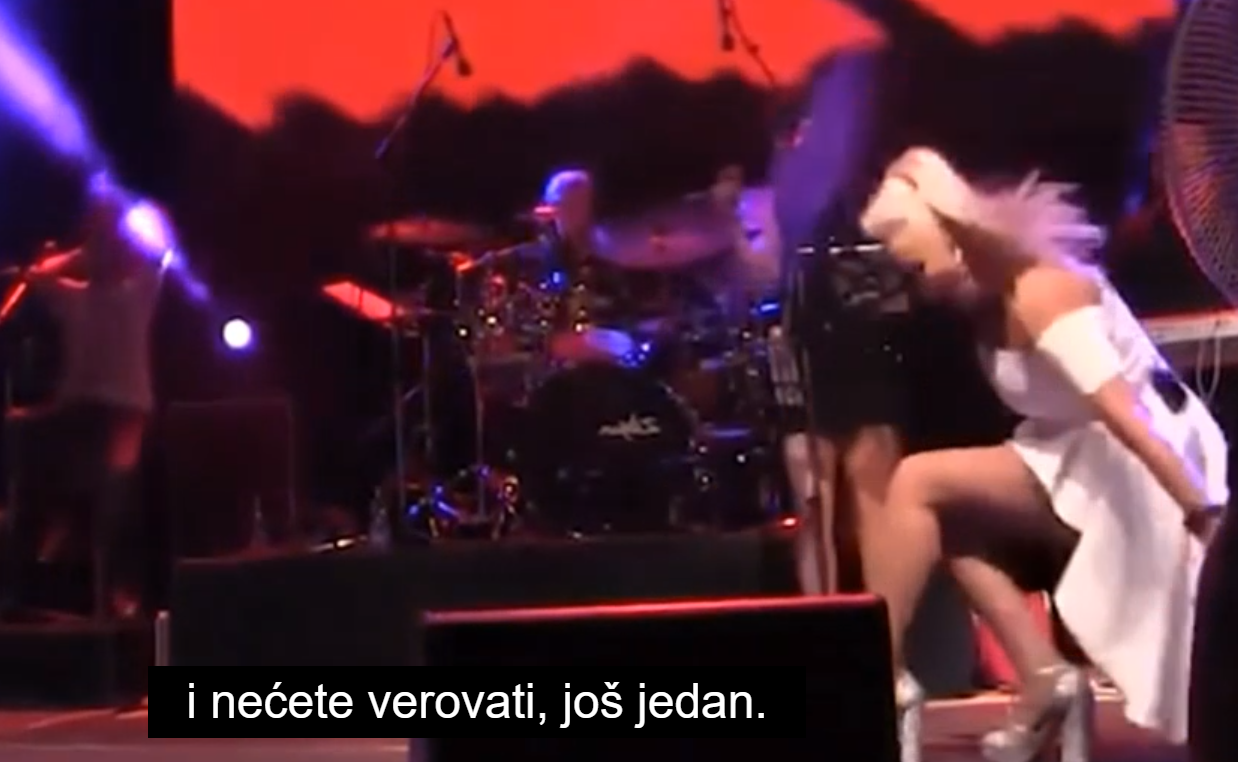
Lepa Brena, Fahreta Zivojinovic, known as Lepa Brena, is a Yugoslav-Serbian folk, pop-folk and pop singer, originally from Bosnia and Herzegovina. Her popularity in Yugoslavia grew very quickly already appeared in the movie "Tight Skin" becoming recognizable ears, very present in the media. Her shot to the head and then the fall is remembered by the whole of Yugoslavia ... and another pad, I won't believe it, another one.
Google Translation Corrected
Lepa Brena, Fahreta Zivojinovic, known as Lepa Brena, is a Yugoslav-Serbian folk, pop-folk and pop singer, originally from Bosnia and Herzegovina. Her popularity in Yugoslavia grew very quickly and since her appearance in the movie "Tight Skin" she became a recognizable face, very present in the media. Her kick to the head and then an epic fall is remembered by the whole of Yugoslavia ... and another fall, you won't believe it, and yet another one.
Video Lesson with Serbian Subtitles - Exercise
Video Lesson with Serbian Subtitles - Vocabulary
Let the Video Tell the Story before the Subtitles Do
Say “Prvi put gledam snimak bez zaustavljanja.” at a natural pace and listen to the complete phrase. Next use “Srpske titlove uključujem tek pri drugom gledanju.” to examine video listening through Serbian subtitles, prediction and replay without separating grammar from meaning.
Five Viewing Actions for Deeper Comprehension
Rebuild “Po tonu glasa prepoznajem da se govornik šali.” from its English meaning, but adapt “Posle videa prepričavam scenu u prošlom vremenu.” freely. The two results should sound connected to real communication, not to a grammar list.
Use Serbian Captions as Evidence, Not a Crutch
| Latin script | Cyrillic script | English |
|---|---|---|
| Prvi put gledam snimak bez zaustavljanja. | Први пут гледам снимак без заустављања. | The first time I watch the recording without stopping. |
| Srpske titlove uključujem tek pri drugom gledanju. | Српске титлове укључујем тек при другом гледању. | I turn on Serbian subtitles only during the second viewing. |
| Beležim izraz koji se ne prevodi doslovno. | Бележим израз који се не преводи дословно. | I note an expression that is not translated literally. |
| Po tonu glasa prepoznajem da se govornik šali. | По тону гласа препознајем да се говорник шали. | From the tone of voice I recognise that the speaker is joking. |
| Posle videa prepričavam scenu u prošlom vremenu. | После видеа препричавам сцену у прошлом времену. | After the video I retell the scene in the past tense. |
Copy “Beležim izraz koji se ne prevodi doslovno.” in the other Serbian alphabet from memory. After correcting the spelling, extend the thought with a reason or contrast.
Replay the Scene and Supply Your Own Subtitles
Work from English back into natural Serbian, leaving “Posle videa prepričavam scenu u prošlom vremenu.” until last. Check endings, diacritics and Cyrillic letters before reading the answers aloud.
- The first time I watch the recording without stopping.
- I turn on Serbian subtitles only during the second viewing.
- I note an expression that is not translated literally.
- From the tone of voice I recognise that the speaker is joking.
- After the video I retell the scene in the past tense.
Solutions prepared for Listening Comprehension - Videos with Serbian Subtitles and Exercises
- Prvi put gledam snimak bez zaustavljanja.
Први пут гледам снимак без заустављања. - Srpske titlove uključujem tek pri drugom gledanju.
Српске титлове укључујем тек при другом гледању. - Beležim izraz koji se ne prevodi doslovno.
Бележим израз који се не преводи дословно. - Po tonu glasa prepoznajem da se govornik šali.
По тону гласа препознајем да се говорник шали. - Posle videa prepričavam scenu u prošlom vremenu.
После видеа препричавам сцену у прошлом времену.