Celebrate International Mother Language Day by reflecting on Serbian, multilingual identity and the practical ways in which a language is preserved through daily use.
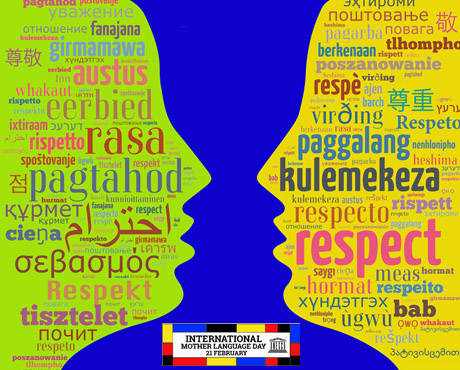
International Mother Language Day
The legacy of the Serbian Grand Prince Stefan Nemanja says: "My dear child, guard your language as your country. Word can be lost as a city, as a country, as a soul. And what is a people if it loses its language, country, soul? Do not take someone else's word in your mouth. If you take a foreign word, know that you didn't conquer it, you've actually alienated yourself. It's better to lose the biggest and the toughest city of your country than the smallest and the least significant word of your language. People who lose their own words cease to exist as people."
***Many thanks to Meet the Serbs FB page for this post and translation:
Данас је Међународни дан матерњег језика. Матерњи језик је део културног идентитета народа, тачка препознавања, различитости али и толеранције и разумевања. Брига о матерњем језику је начин доказивања свести народа о властитом идентитету.
Завештање Стефана Немање каже: „Чувајте, чедо моје мило, језик као земљу. Реч се може изгубити као град, као земља, као душа. А шта је народ изгуби ли језик, земљу, душу? Не узимајте туђу реч у своја уста. Узмеш ли туђу реч, знај да је ниси освојио, него си себе потуђио. Боље ти је изгубити највећи и најтврђи град своје земље, него најмању и најнензнатнију реч свога језика. Народ који изгуби своје речи престаје бити народ“. („Завештања великог жупана српског Стефана Немање свом сину светом Сави“, аутора Милета Медића).
Talking about your own languages in Serbian
A mother tongue carries family memory, humour, cultural references and ways of organising experience. Protecting it does not mean rejecting other languages; multilingualism can deepen respect and understanding. Learners can support Serbian by reading, speaking with relatives, recording older family members, writing messages with full diacritics and using both Latin and Cyrillic scripts.
This lesson gives you the vocabulary to answer a question every learner in Serbia gets asked: which languages do you speak, and which one is your first. Notice how maternji jezik works — literally the mother tongue — and how naturally Serbs move between govorim, učim and razumem when describing what they can do in a language.
Sentences about language and identity, in both scripts
| Latin script | Cyrillic script | English |
|---|---|---|
| Srpski je moj maternji jezik. | Српски је мој матерњи језик. | Serbian is my mother tongue. |
| Čuvam jezik govoreći ga svakog dana. | Чувам језик говорећи га сваког дана. | I preserve the language by speaking it every day. |
| Naša porodica koristi oba pisma. | Наша породица користи оба писма. | Our family uses both scripts. |
| Volim da čitam knjige na srpskom. | Волим да читам књиге на српском. | I like reading books in Serbian. |
| Svaka nova reč povezuje me sa kulturom. | Свака нова реч повезује ме са културом. | Every new word connects me with the culture. |
Serbian is the rare European language that is genuinely written in two alphabets, and a day devoted to mother tongues is the right moment to take that seriously. Read every sentence in both columns. The Cyrillic version is the same Serbian, letter for letter — no translation involved — and switching between them is a skill you build only by doing it repeatedly.
Making the sentences yours
Replace srpski with the name of your own first language and say each sentence again about yourself. Then answer out loud: Koji je tvoj maternji jezik? and Koje jezike učiš? A sentence you have adapted to your own life is the one you will still remember next month.
Write about your languages
Translate these sentences into Serbian, Latin first and then Cyrillic, then write two sentences about your own language background.
- Serbian is my mother tongue.
- I preserve the language by speaking it every day.
- Our family uses both scripts.
- I like reading books in Serbian.
- Every new word connects me with the culture.
Answers
- Srpski je moj maternji jezik.
Српски је мој матерњи језик. - Čuvam jezik govoreći ga svakog dana.
Чувам језик говорећи га сваког дана. - Naša porodica koristi oba pisma.
Наша породица користи оба писма. - Volim da čitam knjige na srpskom.
Волим да читам књиге на српском. - Svaka nova reč povezuje me sa kulturom.
Свака нова реч повезује ме са културом.