Practise the Serbian morning greeting dobro jutro and discover how familiar songs and humorous wordplay make everyday phrases memorable.
Common Phrases in Serbian
Common Phrases in Serbian
I am sure you liked the previous post where you could practice pronouncing "Laku noć" which means "Good night". Today we are going to practice saying "Dobro jutro" or "Good morning" with this fun commercial:It is actually based on a well-known song by Bajaga, called "Dobro jutro, džezeri".
Džezeri is short for "jazz players", but in this ad this word is changed to "džezVeri", because the word "đezva" or "džezva" means a specific coffee pot, like this one:
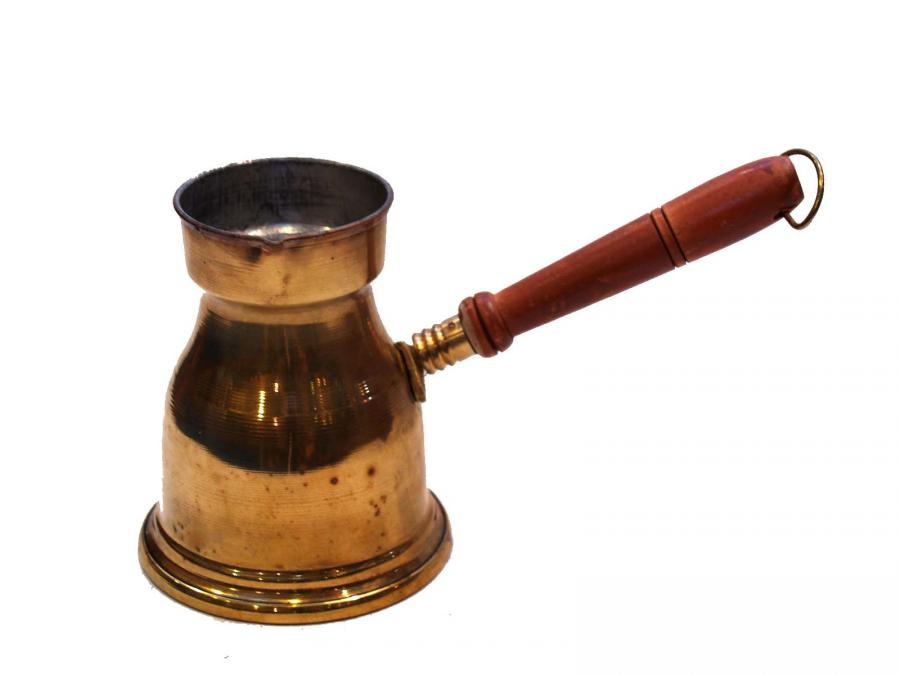
Greeting people the way Serbs do
Use dobro jutro from the early morning until the point at which dobar dan feels more natural. Serbian greetings agree with the neuter noun jutro, so the adjective is dobro. When you address someone, you can add a name or title in the vocative. A reply may repeat the greeting or continue with Kako si? or Kako ste?
Dobro jutro alone is correct but bare. Serbs almost always attach something: a name, a title, a term of address. Dobro jutro, Marija! to a friend, Dobro jutro, profesore! to your teacher. That added word is what turns a textbook phrase into a greeting that sounds like a person said it.
Greetings in Latin and Cyrillic
| Latin script | Cyrillic script | English |
|---|---|---|
| Dobro jutro! | Добро јутро! | Good morning! |
| Dobro jutro, Marija! | Добро јутро, Марија! | Good morning, Marija! |
| Dobro jutro, profesore! | Добро јутро, професоре! | Good morning, professor! |
| Kako ste jutros? | Како сте јутрос? | How are you this morning? |
| Želim vam prijatan dan. | Желим вам пријатан дан. | I wish you a pleasant day. |
Notice the vocative case at work in the second column: profesor becomes profesore, Marija stays as it is. Serbian still uses this case actively in everyday speech, unlike most European languages. Reading the Cyrillic makes the changed ending stand out, because you cannot rely on recognising the word by its familiar shape.
Practising with real names
Take the names of five people you might greet — a friend, a colleague, a shopkeeper, a child, an older neighbour — and greet each one aloud, adjusting the form of address. Then do the same with Dobar dan and Dobro veče, so the pattern transfers to the rest of the day.
Greeting exercise
Translate these greetings into Serbian in both scripts, then write who you would say each one to.
- Good morning!
- Good morning, Marija!
- Good morning, professor!
- How are you this morning?
- I wish you a pleasant day.
Answers
- Dobro jutro!
Добро јутро! - Dobro jutro, Marija!
Добро јутро, Марија! - Dobro jutro, profesore!
Добро јутро, професоре! - Kako ste jutros?
Како сте јутрос? - Želim vam prijatan dan.
Желим вам пријатан дан.