Use “Petar me često zove posle posla.” as a listening cue and “Čekamo te kod glavnog ulaza.” as a speaking cue. The goal is accurate, purposeful Serbian rather than an isolated rule.
Serbian Pronouns in Accusative
- Feminine singular: Vidim ribu, vidim je!
- Masculine and Neuter Sg: Vidim hleb / meso, vidim ga!
- Plural, all genders: Vidim jaja, vidim ih!
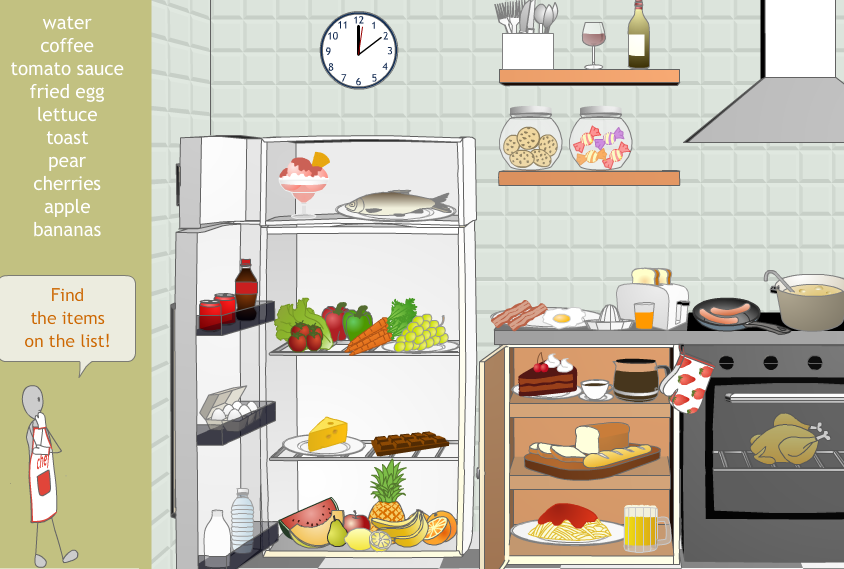
Useful Vocabulary
- Ananas = pineapple
- Grožđe = grapes
- Dinja = melon
- Višnje = sour cherries
- Trešnje = sweet cherries
How to pronounce Pronouns in Accusative
Replace the Serbian Object with the Right Pronoun
Say “Petar me često zove posle posla.” at a natural pace and listen to the complete phrase. Next use “Čekamo te kod glavnog ulaza.” to examine full and short accusative pronouns as direct objects without separating grammar from meaning.
Five People and Things Reappearing as Pronouns
Rebuild “Poznajete li Anu ili je prvi put vidite?” from its English meaning, but adapt “Komšije su stigle i odmah smo ih pozdravili.” freely. The two results should sound connected to real communication, not to a grammar list.
Me, Te, Ga, Je, Nas, Vas, Ih
| Latin script | Cyrillic script | English |
|---|---|---|
| Petar me često zove posle posla. | Петар ме често зове после посла. | Petar often calls me after work. |
| Čekamo te kod glavnog ulaza. | Чекамо те код главног улаза. | We are waiting for you at the main entrance. |
| Kupila sam hleb, ali ga nisam donela. | Купила сам хлеб, али га нисам донела. | I bought bread, but I did not bring it. |
| Poznajete li Anu ili je prvi put vidite? | Познајете ли Ану или је први пут видите? | Do you know Ana, or are you seeing her for the first time? |
| Komšije su stigle i odmah smo ih pozdravili. | Комшије су стигле и одмах смо их поздравили. | The neighbours arrived and we greeted them immediately. |
Copy “Kupila sam hleb, ali ga nisam donela.” in the other Serbian alphabet from memory. After correcting the spelling, extend the thought with a reason or contrast.
Name the Referent behind Every Clitic
Work from English back into natural Serbian, leaving “Komšije su stigle i odmah smo ih pozdravili.” until last. Check endings, diacritics and Cyrillic letters before reading the answers aloud.
- Petar often calls me after work.
- We are waiting for you at the main entrance.
- I bought bread, but I did not bring it.
- Do you know Ana, or are you seeing her for the first time?
- The neighbours arrived and we greeted them immediately.
Solutions prepared for Serbian 201 - Pronouns in Accusative
- Petar me često zove posle posla.
Петар ме често зове после посла. - Čekamo te kod glavnog ulaza.
Чекамо те код главног улаза. - Kupila sam hleb, ali ga nisam donela.
Купила сам хлеб, али га нисам донела. - Poznajete li Anu ili je prvi put vidite?
Познајете ли Ану или је први пут видите? - Komšije su stigle i odmah smo ih pozdravili.
Комшије су стигле и одмах смо их поздравили.