Learn Serbian

Learning Serbian with exercises, video lessons and online courses

Google Tag Head

Tuesday, May 09, 2017

Photo Serbian - Simple Yes/No Questions

Made with ToonyTool.com Let's play with fun photos and comics! All you have to do is ask simple questions:


  1. Da li si u Serbiji? (Are you in Serbia?)
  2. Da li čekaš da pređeš ulicu? (Are you waiting to cross the street?)
  3. Da li je rasprodaja u prodavnici? (Is there a sale in the shop?)

Sunday, May 07, 2017

Family Members and Friends in Serbian


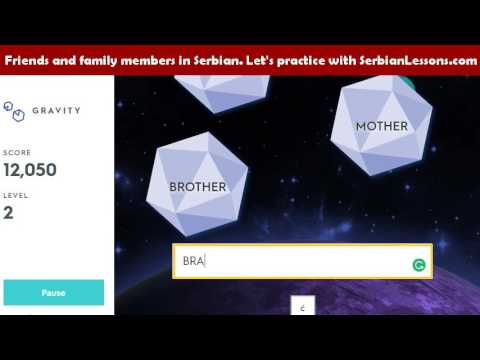
Another Quizlet video exercise for you to practice the pronunciation of the following words:
  • mama = mother
  • tata = father
  • sestra = sister
  • brat = brother
  • sin = son
  • ćerka = daughter
  • drug = close friend masc.
  • drugarica = close friend fem.
  • prijatelj = friend masc.
  • prijateljica = friend fem.
  • kolega =colleague masc.
  • koleginica = colleague fem.

Best Way to Learn 


Monday, April 24, 2017

Serbian Verb Conjugations - Practicing Can

Here comes a brand new video based on an exercise with the modal verb MOĆI. Let's watch the video first, before doing a bunch of exercises:


Practicing Can with Language Games


Practicing Serbian Verb Moći with Flashcards


Testing your Knowledge of Serbian Verb Conjugations 


Saturday, April 22, 2017

Perfective and Imperfective Aspect in Serbian

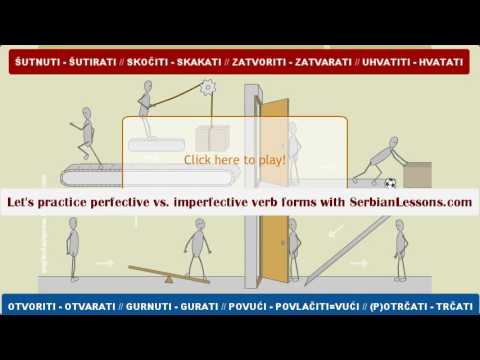
In today's lesson we will learn the following verbs

Perfective Aspect = Svršeni glagolski vid 


1. šutnuti = to kick
2. skočiti = to jump
3. potrčati / trčati = to run
4. povući = to pull
5. otvoriti = to open
6. gurnuti = to push
7. zatvoriti = to close
8. uhvatiti = to catch

Imperfective Aspect = Nesvršeni glagolski vid 


1. šutirati = to be kicking
2. skakati = to be jumping
3. trčati = to be running
4. povlačiti / vući = to be pulling
5. otvArati= to be opening
6. zatvAriti = to be closing
7. zatvArati= to be closing
8. hvatA = to be catching

We'll use them in the past tense.

Prošlo vreme, perfektni oblik = Past Simple Tense 


He kickED the ball - on je šutnuo loptu
he jumpED - on je skočio
he ran - on je potrčao
he pullED the box - on je povukao kutiju
he openED the door - on je otvorio vrata
he pushED the box - on je gurnuo kutiju
he closeD the door - on je zatvorio vrata
he caught the ball - on je uhvatio loptu

Click here for the full version.

As you can see each aspect has a different or slightly different form. That's why I am making the short videos with conjugations so you can hear and see the conjugations clearly. Let's focus on the fun task in front of us today, and in the following days you can expect me to focus more on the conjugations of the each verbs with fun exercises. Looking forward to getting your vocaroo.com stories in both aspects :)

Thursday, April 13, 2017

Get Ready for Easter

In the course of the past ten years, there's been a lot of posts about Orthodox Easter. I covered different topics, from the greetings to video stories about it, songs and songs . However, I still haven't written about one of the kids' most favourite tradition: egg tapping or "kucanje jajima".

Let me share with you what Wikipedia says about it:

Egg tapping, or also known as egg fightegg knockingegg pacqueingegg boxingegg picking[1] or egg jarping is a traditional Easter game. 

The rule of the game is simple. One holds a hard-boiled egg and taps the egg of another participant with one's own egg intending to break the other's, without breaking one's own. As with any other game, it has been a subject of cheating; eggs with cementalabaster, and even marble cores have been reported.[2]

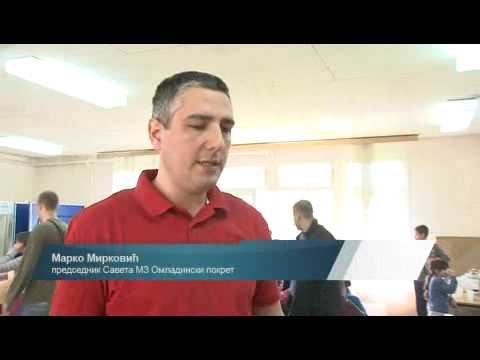
To see what it looks like in one local community, I'm sharing a video about Easter egg fight from 2014, along with the listening comprehension quiz. For an easier quiz based video with basic greetings and common Easter phrases, check out my blog on Patreon.


Ћирилични задатак: одслушајте видео и допуните празна места. Резултат је у коментару :)
  1. Милица је добила ово јаје од ________ .
  2. Милица има ________ година.
  3. Милица је ________ у куцању ускршњим јајима.
  4. Ово је ________ такмичење у куцању јаја.
  5. Деца знају да код куће треба да направе ________ турнир.
  6. Данас је било ________деце.
  7. Све је протекло у ________ духу.


***********

Latinični zadatak: odslušajte video i dopunite prazna mesta. Rezultat je u komentaru :)
  1. Milica je dobila ovo jaje od ________ . 
  2. Milica ima ________ godina. 
  3. Milica je ________ u kucanju uskršnjim jajima.
  4. Ovo je ________ takmičenje u kucanju jaja.
  5. Deca znaju da kod kuće treba da naprave ________ turnir.
  6. Danas je bilo ________dece.
  7. Sve je proteklo u ________ duhu.

Monday, April 10, 2017

Serbian Conjugations - Verb to Have

Today I am sharing with you conjugations with the verb TO HAVE = IMATI + words in an office:


Present Simple of Verb to HAVE:


JA imam
TI imaš
ON-ONA-ONO ima
MI imamo
VI imate
ONI-ONE-ONA imaju

Nouns Following the Verb to Have


Feminine Sg:
1. stolica = chair
2. kanta = bin
3. biljka = plant
4. diploma = diploma
5. klima = air conditioning
6. slika = picture

Masculine Pl:
1. sto = table
2. kompjuter = computer
3. telefon = telephone
4. sertifikat = certificate
5. ormarić = filing cabinet
6. sat = clock

Speaking and Writing exercise


If you are curious as to why the final -a in the fem. sg. noun changes, do check the theory about the Accusative case. Even if you are not interested in the cases, after practising with this video lesson, you will be able to say and write these examples correctly.

If you would like to enjoy the full version with exercises such as this one with the verbs live and work, you are welcome to support my work on Patreon :)

p.s. You are enjoying these cute little animations, thanks to the consistent support of my five current Patrons!  Hvala im :)

Monday, March 20, 2017

Where do You Work?

In the verb conjugation series of videos, I just published a new video with a lot of examples how to use the verb TO WORK = raditi in the Present Tense.


Useful Vocabulary


In this lesson we are practicing the verb TO WORK in = raditi u ...

1. raditi = to work
2. škola = school
3. bolnica = hospital
4. prodavnica = shop
5. muzej = museum
6. pozorište = theatre
7. lekar = (medical) doctor
8. medicinska sestra = nurse

RADIM - RADIŠ - RADI // RADIMO - RADITE - RADE

To practice with a short story based on the verbs to go to, to live and to work, you're invited to follow Patreon blog! You can regularly access interactive surveys like this one:

... and get my feedback :)

Friday, March 17, 2017

Authentic Serbian - Greetings and Introductions

While conducting a survey about your needs in learning Serbian, some of you mentioned that they would appreciate videos with authentic Serbian, spoken in everyday situations by ordinary people.

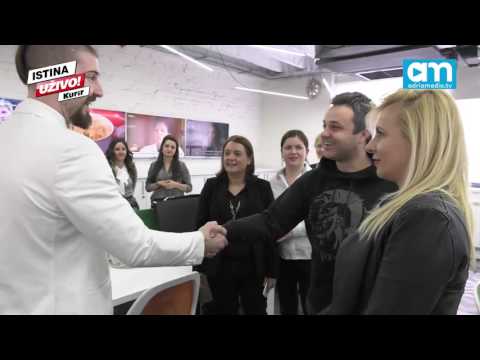
This video with a brand new  Serbian presidential candidate who is meeting the editorial team of a local newspaper is an excellent example of something like that. In it, Beli gets introduced with a lot of people, and you will be able to hear how ordinary people say "pleased to meet you".


I will list all the most common introductory phrases along with some others (not heard in the video), so your task will be simple. Just tick the phrases you hear while watching the video!
  1. Zdravo!
  2. Ćao!
  3. Dobar dan!
  4. Dobro veče!
  5. Ovo je ...
  6. Dobrodošao!
  7. Radujemo se tvojoj poseti
  8. Radujem se Vašoj poseti
  9. Drago mi je!
  10. To su naše lektorke.
  11. Bolje vas našao!
  12. Kako ste Vi?
  13. Kako si ti?
  14. Hvala.
  15. Kako ste?
  16. Mnogo vam je lepo ovde.
  17. Baš mi je drago.
  18. Jeste dobri?
  19. Jeste dobro?
  20. Poštovanje!
  21. Izvoli, dobrodošao!
  22. Izvolte, dobrodošli!
  23. Izvolite. 
  24. Hoćete neku kafu?
  25. Želite li kafu?
  26. Šta želite da popijete?
  27. Ne hvala.

Wednesday, March 15, 2017

Conjugations of Serbian Verb to Go to in Present Tense

Last time we practiced the verb to live. Today, we are learning the verb to go with the following video:


and a couple of exercises:


Wednesday, March 08, 2017

Serbian Verbs Conjugated - To Live

I have tried to make simple conjugation videos before, but was never satisfied with what they looked and sounded like. Last week, thanks to my dedicated patrons on Patreon and my students of Serbian whom I've been teaching for years, I was able to afford the first professional version of the software which I have always dreamt of.  HVALA!!!

How do you like my first pro conjugation video?


Now that I have all the tools, I am sure you'll all enjoy my short video lessons about:


  1. verb conjugations in Serbian, both in the Cyrillic and Latin alphabet.
  2. short video stories, based on the video with conjugations
  3. short dialogues based on the texts and Serbian Phrases
  4. videos explaining Serbian idioms
  5. easy Serbian songs and chants for kids
Još jednom ogromno hvala mojim dragim pratiocima i učenicima koji pomažu održavanje ovog bloga i sve bolji kvalitet video lekcija srpskog jezika. Moje nove lekcije će izgledati super zahvaljujući Mirku, Milici i Milenki, Lari, Matiji, Dejanu i Danijeli, Marion, Pavlu, Dejvidu, Niku i Dženi i Jani!!! 

Friday, February 17, 2017

Serbian Passive Voice with Exercises

Serbian Passive Voice with Exercises


Unfortunately, there haven't been many posts about the Passive Voice on this blog. I want this to change and that's why I would like to add a few more exercises about this topic. Based on the following fun song which has great lyrics about Rakija production, I'll make a few exercises for you.

Let's relax and watch the video by Cache & Djavo called "Kakvu sam rakiju pek'o" :)


Serbian Passive Voice with Exercises


Serbian Passive Voice with Exercises 

Wednesday, February 08, 2017

His and Her in Serbian

His and Her in Serbian


While his = njegov and her = njen sounds pretty easy and straightforward, there is a little catch. These are possessive adjectives and therefore they agree with the noun they describe. That's why they will have all kinds of suffixes to mirror the main noun in number, case and gender.

Today will stick just to the basic Nominative case and see how NJEGOV and NJEN mirror the gender of the nouns through the following exercises:


HIS and HER in Serbian with a funny photo

Simply look at the photo and write his shirt (njegovA košuljA) or her shirt (njenA košuljA), based on the position of the question in the photo:


His and Her in Serbian

HIS and HER in Serbian with Quizlet

If you have learnt clothes with one of my previous lessons, this one will be a piece of cake = prosto ko pasulj:


If you would like to get all my video lessons with explanations in English, translations and additional exercises like the ones above, in the meaningful order, consider joining me on Patreon.


Tuesday, February 07, 2017

Serbian for Children - Lesson 2

Thanks to your kind help the second lesson of Serbian for Children was released yesterday:


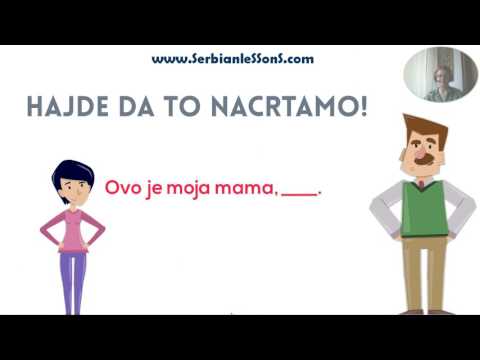
In this lesson you can practise saying "Ovo je..." (this is) as well as the vocabulary for family members!

Porodica

mama = mom
tata = dad
sestra = sister
brat = brother
sin = son
ćerka = daughter

***
moj / moja = my

Additional exercises:
1. https://quizlet.com/146121479/micromatch
2. https://en.educaplay.com/en/learningresources/2531536/serbian_for_children_lesson_1a.htm

The first part was published in the post about teaching Serbian with children songs, but I will add it here as well:


Hope you find them useful and come here for more!

If you would like to get all my video lessons with explanations in English, translations and additional exercises like the ones above, in the meaningful order, consider joining me on Patreon. HVALA!

Sunday, February 05, 2017

Why Learn Serbian?

There are so many reasons to learn Serbian. That's why I'd like you to help me find out what your main motivation is when learning this language. I am also interested what you need most and what you think could help you learn most efficiently.

That's why I have created an anonymous survey and I'd appreciate if you could spare a few minutes to do it. HVALA!

 Thanks so much for your time! All the info is used to make my Serbian Activator e-mails and video lessons most relevant to you!

Wednesday, February 01, 2017

Learning Serbian Efortlessly

Let's learn the past tense form of "She was" in Serbian the easy way: BILA JE with this beautiful song, step by step:


Now, an exercise:


If you would like to get all my video lessons with explanations in English, translations and additional exercises like the ones above, in the meaningful order, consider joining me on Patreon. HVALA! 

Wednesday, January 25, 2017

Serbian Phrases: Don't Argue with Me

Would it be funny for you to hear a phrase "Don't argue with mine!", whatever that might mean?

Here comes a short clip with a similar phrase, which is obviously wrong and make people laugh (together with a specific pronunciation of  Mr. Šojić's "ć" in "ćao" :)


- Nemaš! Šta moliš? Imaš (li) kod sebe 350 Evra?
- Ma gospodine Šojiću...
- Ma, ćao! Nemaš! Ćao! Ne raspravljaj se sa mene! Ne raspravljaj se!

Don't argue with me!

The correct Serbian phrase: "Don't argue with me" would be as follows:

- Ne raspravljaj se sa mnom! (not "sa mene"=)

The verb "to argue" is always used with "se" form: raspravljati se. A few synonyms would be:
svađati se and prepirati se. (Ne svađaj se sa mnom / Ne prepiri se sa mnom). 

 Instrumental of Serbian Pronouns

The preposition "with" requires the Instrumental  form of the pronoun so you can use the mentioned verbs with the following pronouns as well:
  • with me = sa mnom
  • with you = sa tobom
  • with him/it = sa njim
  • with her = sa njom
  • with us = sa nama
  • with you = sa vama / Vama
  • with them = sa njima
If you would like to get all my video lessons with explanations in English, translations and additional exercises like the ones above, in the meaningful order, consider joining me on Patreon. HVALA!

Sunday, January 22, 2017

How to Practice Serbian Pronouns in Instrumental

How to cope with all different forms of Serbian pronouns, in different cases and with all the different endings? Well, there are many different ways, starting with old-fashioned grammar learning;


to using them in phrases, without thinking about grammar at all. What I find really efficient, is to listen to Serbian songs and learn the pronouns in common phrases, by singing :)

Let me share with you the following song: Za Njom by S.A.R.S.


How to Practice Serbian Pronoun SHE in the Instrumental Case


Now that you have heard this song, sang along, and done the exercise, can you tell me which prepositions were there in front of "NJOM"?

Friday, January 20, 2017

Are You Proficient in Serbian?

From time to time I get a request to publish more exercises for Serbian for an advanced and even proficient level. I guess that creating short tasks based on various films and series in Serbian certainly helps. One of such series which I wanted to recommend for more proficient speakers of Serbian is Prvi Servis, sponsored by VreleGume. I love their short format and a really great cast.  The topics are everyday problems of ordinary people.

In the first episode, there is a short monologue with lots of mistakes, which can be easily corrected by an advanced student of Serbian.


Would you like to give it a try? You can write your suggestion in the comment below!

Example 1:

1:25 min: Kada sam u vaša zemlja ja ovo, a kod kuće imam Volvo.
           *Correction:  Kada sam u vašOJ zmljI

Your task:
3:35 min: Majstor kaže da je teško kvarnost velika. Ili je amortizer ili je može biti da je možda ova …. kako kaže on kod vas… balans štanglica, ili je može biti da je stabilizatorski dio. Kaže popraviće, hitno mi je potrebno auto za sutra.
A auto moram imati jer mater meni stiže. Moram je pokupit. Moja mater je iz naša zemlja, srpska. Moja Mater je iz Vojnić.A otac mi je njihov, on je Lunski La iz Lunski Le, Moj otac je Turstend. Tako da mater moja dolazi. Stara je, ne može da hoda. Kaže više mi je samo  da umrem, samo da umrem, već mi dosta to,  da se sahrani u Vojnići to.
A hitno bi  mi moralo se  prebaciti ja za grad. Ako ima neko dobro da pozove taksi.  Imam krune, plaćam sve, da. Ako može neko da mi nazove taksi, a majstor će se potruditi. Vidim da je dobar čovek.

 You can write your suggestion in the comment below!

Monday, January 16, 2017

Serbian Video Lessons with Pronunciation

Today we are practising three simple questions and three simple answers:
  1. Where do you / You live? = Где живиш / живите?= Gde živiš / živite? 
  2. What do you / You do? = Шта радиш / радите? (Чиме се бавиш / бавите?)  = Šta radiš / radite? (Čime se baviš / bavite?) 
  3. What do you do in your free time? = Шта радиш / радите у слободно време? = Šta radiš / radite u slobodno vreme?
The answers are as follows:
  1. Живим у ... = Živim u ... (I live in ...Beogradu / Limi - check out the previous posts about the Locative case)
  2. Радим као ... = Radim kao ...(I work as a ...profesor / lekar - check out the video about occupations)
  3. У слободно време ... = U slobodno vreme ...( In my free time I learn Seriban - učim srpski - check out the previous video about hobbies)

Serbian Video Lessons with Pronunciation

Now that you understand what we are going to talk about, you are ready for the video lesson! Have fun!


If you are a beginner and want to learn Serbian in the easiest way possible, do join my new & revamped Seriban Activator newsletter!

Thursday, January 12, 2017

Days of the Week in Serbian at Three Levels

I'm sure that you find Serbian days of the week easy to pronounce. However, if you still struggle with Thursday (četvrtak), there's a useful introduction in this video to help you pronounce days well.

Since rarely does anyone use days of the week in its Nominative form:

1. Ponedeljak = Monday = Понедељак
2. Utorak = Tuesday = Уторак
3. Sreda = Wednesday = Среда
4. Četvrtak = Thursday = Четвртак
5. Petak = Friday = Петак
6. Subota = Saturday = Субота
7. Nedelja = Sunday = Недеља


Let me share with you a few exercises at three different levels:
A. Days of the Week in Serbian

a. Flashcards
b. Matching game
c. Gravity game
d. Test

B: What are you doing on + DAY ( Accusative case )?  = Šta radiš u subotu?
Let's practice together:
C: Words "svaki / sledeći / naredni / drugi + day "will trigger the Genitive case of both the adjective and the noun in the question:"What are you doing next Monday?" = "Šta radiš sledećeg ponedeljka?"
Let's practice together:

a. Flashcards
b. Matching game
c. Gravity game
d. Test

Tuesday, January 10, 2017

Practising Phrases in Serbian - I need

If you were happy with my short video lesson about the very simple form of the phrase "I need somethingyesterday, I am sure you are now ready for a few exercises. Let me start with the easier ones and then I'll add some for more advanced students:

  • For Beginners: Practising only "Treba mi +  different international words"

  • For Intermediate students: Practising "Treba + mi/  ti / Vam / mu / joj / nam / im + international words"
d. Test


  • For Advanced students: Practising the past tense form "I needed + something", which is more complicated because here the past tense form of the word has to agree with the direct object (something): "TrebalE su mi jabukE // TrebalI su joj prijateljI // TrebalA nam je vodA" (+ word order with 3rd person Sg of the direct object).


Monday, January 09, 2017

Most Frequent Phrases in Serbian - I Need

I need = Treba mi


I guess one of the most needed verbs in a language must be the verb to need = trebati :) It is a really handy word in Serbian, because of the two following reasons:

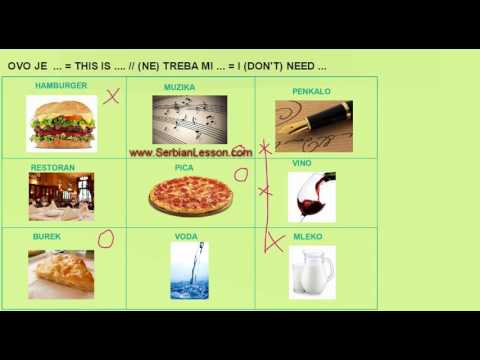
Firstly, this verb doesn't conjugate, because in its simplest meaning "I need (something)" we actually use "Treba mi" where "mi" means "to me". If you want to say "You need", it will be "Treba Vam" (formal version) or "Treba ti" (informal version). Therefore, you'll simply change the pronoun as follows:

  • TREBA mi hamburger
  • TREBA ti pica 
  • TREBA mu vino (to him / it = mu)
  • TREBA joj muzika (to her = joj)
  • TREBA  nam restoran (to us =nam)
  • TREBA vam /Vam burek (to you - You = vam/Vam)
  • TREBA im mleko (to them = im)


Secondly, because in Serbian this phrase sounds like the passive in deep structure, the noun always takes a subject case, which is Nominative. (A hamburger is needed to/by me = Treba mi hamburger). Therefore, you don't need to change its form, i.e. no declension :) Lovely! Take a look at the previous examples and the words which follow "Treba ... " phrase. No cases, at all:


  1. hamburger - a hamburger
  2. pica - a pizza
  3. vino - a wine
  4. muzika - music
  5. restoran - a restaurant
  6. burek - burek (a special kind of pie)
  7. mleko - milk
Now, let's practice the pronunciation of this useful phrase together:


1. Šta ti treba? = What do you need?
2. Šta Vam treba? = What do You need? (formal one)
3. Treba mi = I need
4. Ne treba mi = I don't need


Tomorrow, we'll be doing some exercises connected with this video lesson and recording our own XO game :D


Monday, December 19, 2016

Stranac u Srbiji: Dr Erhard Busek

Thursday, November 24, 2016

Practising Colors in Serbian

Wednesday, November 23, 2016

Colours in Serbian with YleeKids

While creating another Serbian lesson for kids, I came across a very useful song which can teach you how to pronounce the colours (boje) clearly.


Colours in Serbian

Latin Alphabet version 

Prvi deo
  1. Crveni auto x2
  2. Zeleni auto x2
  3. Plavi auto x2
  4. Žuti auto x2
  5. Crni auto x2
  6. Ljubičasti auto x2
  7. Roza auto x2
  8. Narandžasti auto x2
  9. Braon (smeđi) auto x2
  10. Beli auto x2
Drugi deo 2:30

  1. Šta je ovo? Jedna knjiga. Koje boje je ta knjiga? Crvene je boje baš kao i moj krevet.
  2. Šta je ovo? Jedno drvo. Koje boje je to drvo? Zelene je boje da li vidiš? Da vidim.
  3. Šta je ovo? Jedan limun. Koje boje je taj limun? Žute boje baš, kao puding naš.
  4. Šta je ovo? Kutijica. Koje je boje kutijica? Narandžaste baš kao i lisica.
***
  1. Šta je ovo? Jedna olovka. Koje je boje olovka? Boje je plave, znam, znam da je, šta je.
  2. Šta je ovo? Jedan šešir. Koje je boje taj šešir. Crne boje baš, kao i mačor naš.
  3. Šta je ovo? Jedno jaje. Koje boje je to jaje? Bele je boje, znam, znam da je, šta je.
  4. Šta je ovo? Ovo jedan miš. Koje boje je taj miš? Braon kao kuća ovde pored.
Treći deo 3:45

  1. Deda ima mali žuti auto. x3 Mali žuti auto x2
  2. Deda ima mali crveni auto x3 Mali crveni auto x2
  3. Deda ima mali plavi auto x3 Mali plavi auto x2
  4. Deda ima mali crni auto x3 Mali crni auto x2
  5. Deda ima mali zeleni auto x3 Mali zeleni auto x2
Četvrti deo 8:00

  1. Crveni x3 je krug, crveni, crveni je krug
  2. Plavi x3 je krug, plavi je, plavi je krug
  3. Žut x3 krug, žut je, žut je krug
  4. Crvena x2 jabuka je crvena x3,  jabuka je crvena, crvena, crvena
  5. Plava x2 lopta je plava x3, lopta je plava, plava, plava
  6. Zeleno x2 drvo je zeleno x3,  drvo je zeleno, zeleno, zeleno
  7. Žut x2 limun je žut x3,  limun je žut, žut, žut
  8. Narandžaste x2 boje je sok x 4
  9. Crni x2 šešir je crni x3, šešir je crni, crni, crni
Serbian Cyrillic Script Version

Први део

Црвени ауто x2
Зелени ауто x2
Плави ауто x2
Жути ауто x2
Црни ауто x2
Љубичасти ауто x2
Роза ауто x2
Наранџасти ауто x2
Браон (смеђи) ауто x2
Бели ауто x2

Други део 2:30

Шта је ово? Једна књига. Које боје је та књига? Црвене је боје баш као и мој кревет.
Шта је ово? Једно дрво. Које боје је то дрво? Зелене је боје да ли видиш? Да видим.
Шта је ово? Један лимун. Које боје је тај лимун? Жуте боје баш, као пудинг наш.
Шта је ово? Кутијица. Које је боје кутијица? Наранџасте баш као и лисица.
***
Шта је ово? Једна оловка. Које је боје оловка? Боје је плаве, знам, знам да је, шта је. Шта је ово? Један шешир. Које је боје тај шешир. Црне боје баш, као и мачор наш. Шта је ово? Једно јаје. Које боје је то јаје? Беле је боје, знам, знам да је, шта је. Шта је ово? Ово један миш. Које боје је тај миш? Браон као кућа овде поред.

Трећи део 3:45

Деда има мали жути ауто. x3 Мали жути ауто x2
Деда има мали црвени ауто x3 Мали црвени ауто x2
Деда има мали плави ауто x3 Мали плави ауто x2
Деда има мали црни ауто x3 Мали црни ауто x2
Деда има мали зелени ауто x3 Мали зелени ауто x2

Четврти део  8:00

Црвени x3 је круг, црвени, црвени је круг
Плави x3 је круг, плави је, плави је круг
Жут x3 круг, жут је, жут је круг
Црвена x2 јабука је црвена x3,  јабука је црвена, црвена, црвена
Плава x2 лопта је плава x3, лопта је плава, плава, плава
Зелено x2 дрво је зелено x3,  дрво је зелено, зелено, зелено
Жут x2 лимун је жут x3,  лимун је жут, жут, жут
Наранџасте x2 боје је сок x 4
Црни x2 шешир је црни x3, шешир је црни, црни, црни

Thursday, November 03, 2016

Pronouns in Serbian in Accusative

In one of the very first posts I created on this blog, there was a list of the keywords when talking about yourself . It was published back in 2008 and you can find it by clicking on this link.

Now, if we use these words in context, we can see how the personal pronouns referring to the same words can be often heard. Let's practice such sentences together!

Masc./Neuter  Sg Nouns in Accusative >>> Corresponding Pronouns (on / ono  >>> ga/njega)

  1. IME = first name.............................................Koje je vaše ime? Možete li da ga ponovite? 
  2. PREZIME = surname.....................................Koje je vaše prezime? Možete li da ga ponovite? 
  3. DEVOJAČKO PREZIME = maiden name....Koje je vaše devojačko prezimee? Možete li da _____ ponovite? 
  4. MESTO ROĐENJA = place of birth...............Gde ste rođeni? Ponovite Vaše mesto rođenja! Možete li da ____ napišete?
  5. DATUM ROĐENJA = date of birth...............Kad ste rođeni? Ponovite Vaše datum rođenja! Možete li da ____ napišete?
  6. PASOŠ = passport.........................................Da li je ovo Vaš pasoš? Dajte mi ___ molim Vas! 


Nouns which are Fem.  Sg in Accusative >>> Corresponding Pronouns (ona  >>> je / nju)
  1. LIČNA KARTA = identity card....................Imate li ličnu kartu? Dajte mi je, molim Vas!
  2. STALNA ADRESA = permanent address....Imate li stalnu adresu? Možete li da __ napišete? 
  3. MEJL ADRESA = e-mail address................Imate li mejl adresu? Možete li da mi __ pošaljete
  4. ZDRAVSTVENA KNJIŽICA = health insurrance...Imate li knjižicu Dajte mi ___, molim Vas!
Masc/Fem/Neut Pl. Nouns in Accusative >>> Corresponding Pronouns (oni/one/ona >>>ih/njih)

  1. PASOŠI...................Imate li pasošE? Molim vas dajte mi ih!
  2. LIČNE KARTE...... Pokažite mi lične karte. Dajte mi ____, molim vas!
  3. IMENA .................. Kako se zovete? Koja su vaša imena? Ajde, ponovite mi ___ polako, molim vas!
  4. MEJL ADRESE.... Hajde da razmenimo mejl adrese! Možete li da mi ___ pošaljete još jednom, molim vas!

Wednesday, November 02, 2016

Expanding Serbian Vocabulary - Money Matters

Here comes a  set of commonly used phrases when talking about money and banks:

  1. Trošiti novac (imperfective) // potrošiti (perfective) = to spend (money)
  2. Dobijati (imp) // dobiti (perf) = to get 
  3. Skupljati (imp) // skupiti (perf) = to collect
  4. Bacati (imp) // baciti (perf)= to throw
  5. Štedeti (imp) // uštedeti  (perf)= to save (money)
  6. Davati (imp)// dati (perf) = to give
  7. Pozajmljivati (imp) // pozajmiti  (perf)= to borrow/lend
  8. Zarađivati (imp) // zaraditi (perf) = to earn

To see how to use these verbs and common collocations, read this sad story about Mića and his best man Todor:

Rešenje i prevod:

Tuesday, November 01, 2016

Advanced Serbian with Državni Posao - 2


Since Državni posao is quite difficult for lower levels, I'll just post a bunch of simple questions for the more advanced learners of Serbian to choose from.

1. Koja se sve hrana / jela pominju u ovoj seriji?

a. mleko
b. parmezan
c. salata
d. rukola
e. goveđi gulaš
f. eurokrem
g. krastavac
h. limun
i. pivo
j. paprikaš od mladih svraka
k. hleb
l. lovorov list
m. rečna riba
n. gustin

2. Ko je sve "food blogger"?
a. Đorđe Čvarkov
b. Boškićeva mama
c. Žika
d. Fuad Bloger
3. Kako se zove Žikin blog?
a. Majdanpekač
b. Sponzor
c. Kefirpičeta
4. Ko ima sponzore na svom blogu?
a. Mama
b. Baba
c. Šilovićka
d. Žika
5. Koliko košta limun?
a. 100 dinara
b. 200 dinara
c. 400 dinara
d. 500 dinara
6. Koliko Žika dobija novca po baneru? 
a. 10 evra
b. 100 evra
c. 1000 evra
When you are ready, click #read more to check the answers:

Monday, October 31, 2016

Serbian Language with Recipes - Exotic Chicken


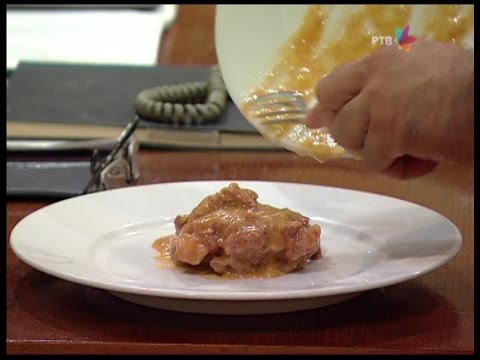
In today's "Radni ručak" we can enjoy watching "Piletina lampia" with the chef Samir and  beautiful Milena.

Listen to the video and try to answer the following questions:

1. Jedan sastojak je viška. Koji?

  • piletina
  • crvena paprika
  • tikvica
  • crni luk
  • so
  • pirinač
  • med
  • ananas
  • banana
  • šampinjoni
  • šargarepa
  • pavlaka
  • biber
  • sirće
2. Od čega se sastoji sledeće jelo - koji oblik nije gramatički tačan?
  • od piletine
  • od crvene paprike
  • od tikvice
  • od crnog luka
  • od solija
  • od pirinča
  • od meda
  • od ananasa
  • od banane
  • od šampinjona
  • od šargarepe
  • od pavlake
  • od bibera
  • od sirćeta
3. Koje imenice nedostaju iza glagola koje sam navela?
  • iseći 
  • seći ... na kockice
  • dodati ...
  • staviti ... da se peče
  • iseći ... na krupno
  • iseći ... na pola, pa još na pola
  • iseći ... na sitne kockice
  • dodati ... i papriku na kraju
  • sipati polako ...
  • koristimo neutralnu ... ili ... za kuvanje
  • dodati malo ...
  • kao podlogu ćemo staviti ...
  • dodaćemo još malo ... i to bi bilo to
Answer key:

Monday, October 03, 2016

Furniture in Serbian - Expand your Vocabulary

In the previous month I posted a few exercises for you to practice how to pronounce rooms in a flat in Serbian. There was an exercise to help you write and read the same words both in the  Latin and Cyrillic script. I hope you liked all the exercises.

 Now it's time to expand the vocabulary and learn about the furniture in different rooms. Here comes an exercise with flash cards to help you hear and pronounce the words correctly!

Furniture in Serbian


Games with Furniture in Serbian 

To simply recognize the words, play the Scatter game by pulling the photos over the words or vice versa.


When you are ready to practice writing and actively connecting photos with the words, enjoy playing

As usual, there is a vocabulary game, but this time it's a hangman game based on some of the words from the previous exercises.


Thursday, September 29, 2016

Personal Pronouns in Accusative

In the previous post you could see the different forms of pronouns in the Accusative case in Serbian:

There are quite a lot of verbs which require the Accusative, and "voleti" or "to love" obviously requires a direct object. Therefore you'll come across this form in many a song:

The same goes for the verb ZVATI. Since we are going to practice Serbian with two songs with this verb, let's start with a bit of theory:


and then let's practice with a game:
If you like these Quizlet exercises, here's one more with the verbs to see and to go to (Videti i Ići u + Akuzativ)

Finally, when you feel confident using the pronouns in Accusative, let's sing the following songs in 
Zovem ______  zovem, a ti tako 
nećeš da čuješ zov iz duše
zovem ______  zovem ko zna gde si
dok moji snovi već se ruše

Ref. 2x
Zovem ______  zovem, noću te sanjam
uzalud širim ruke svoje
zovem ______  zovem, al' čemu sve to
ti drugu ljubiš oko moje

Zovem______ zovem, a ti tako 
ni pismom jednim da se javiš
zovem ______  zovem noći svake
a ti ne čuješ ili se praviš

Ref. 2x

Zovem ______  zovem, gde si mili
traže ______  moje vlažne oči
zovem ______  zovem srećni bi bili
javi mi dal' ćeš nekad doći

Ref. 2x

Poći ću u šume da ____ opet tražim
uz tišinu rijeke da ___  mirno sanjam
i dok mesec sija gledaću u zvijezde
ne bih li ___ sreo sretnu i daleku
aha, aha, aha

Zvao sam ___ Emili
u moj je san ko u svoj ušla dom
zbog nje se dan pretvorio u noć 
i pjesme sve poludjele zbog nje 
kao kiše prolećne

Zvao sam ____ Emili
u danima kad voljesmo se mi
od proljeća do kasne jeseni
zbog nje, zbog nje izgubio sam sve
čak i dobre drugove

Zvao sam ____  Emili

Wednesday, September 28, 2016

How to Practice Personal Pronouns through Cases

If you are familiar with the personal pronouns in Serbian in the Nominative case, it's time for you to their different forms through various cases.

The clever way is to approach these more complicated forms through the texts you've done before, using the pronouns instead of nouns. For example:


If we turn all the nouns into the corresponding pronouns, we would get a fun story:

  • Želim da kupim njih. = Želim da ih kupim.
  • Da li  imate njih, ali u plavoj boji? = Da li ih imate, ali plave?
  • Da li možete da mi pokažete nju i njih = Da li možete da mi je pokažete i da mi ih pokažete?
  • Želim da kupim nju, nju i nju i njih. = Želim da je kupim i želim da ih kupim.
Now I have two questions:
  1. What does each pronoun in bold refer to?
  2. What changes does the word order cause?


However, the easiest way is to learn pronouns is through songs and exercises:

Since the courses Serbian 101 and Serbian 102 deal with the following cases:
  • Nominative (JA - TI/VI - ON - ONA - ON // MI - VI - ONI)
  • Accusative 
in Serbian 102 I introduced the pronouns in the Accusative

  • Accusative (MENE / SEBE - TEBE/ VAS - NJEGA - NJU(JE) - NJEGA // NAS - VAS - NJIH)

In Serbian 201 I introduce the pronouns in the Locative and Instrumental case:


  • Locative ( o MENI/ SEBI - TEBI - VAMA - NJEMU - NJOJ - NJEMU // NAMA - VAMA - NJIMA)
  • Instrumental (SA MNOM/SOBOM - TOBOM - VAMA - NJIM - NJOM - NJIM // NAMA - VAMA - NJIMA)
and we will practice them together in the next post!


Tuesday, September 20, 2016

Beautiful Songs about Serbia - Serbia mía

Have you ever heard of this beautiful song about Serbia, by Mirko Radović? If not, I am sure you will enjoy listening to it now and come back to it because if its gentleness and a catchy tune!


In case you don't understand Spanish, I'll share with you the author's words about the song, 

"Rodio sam se daleko, i tek nakon više od 50 godina sam uspeo da se povežem sa mojom porodicom. Nikada neću zaboraviti taj trenutak. Siguran sam da su me moj otac i baba i deda gledali sa neba i da su danas jako srećni zbog toga. Ova pesma je istinita priča o mom ponovnom susretu sa domovinom, pretočena u stihove."
along with the lyrics in Spanish

*** Lyrics ***
          Serbia mía
Siento el silbido que despierta, Siento el dulce aroma de un café

Siento cada abrazo, cada beso y las caricias
Que la noche nos dejó tan solo ayer
Siento que mis manos aún te buscan
Siento que tuvimos que partir
Siento cada calle, cada plaza, cada parque
Los rincones que nos vieron sonreir…
Lo siento, Serbía mía, y volver será un nuevo empezar
Siento cada pena, cada angustia, cada llanto
Que tu rostro inocente ayer marcó
Y si la noche se acaba, celebra conmigo que el día volvió


Lo siento, Serbía mía, y lo siento cada día más y más
Siento recordar lo que fuímos, siento el fuego vil que nos quebró
No importa que estés muy lejos, la paz es tu abrigo, el sol es tu voz
Y si la noche se acaba, celebra conmigo que el día volvió
and its translation:

*** Translation *** 
Srbijo moja
Osećam zvuk koji me budi,
osećam slatki miris jutra.
Osećam svaki zagrljaj, svaki poljubac i dodire
koje nam je prošla noć ostavila.
Osećam da mi ruke još tebe traže.
Osećam da smo morali otići.
Osećam svaku ulicu, svaki trg, svaki park,
sva mesta koja su nas videla.

Osećam te, Srbijo moja
i osećam te svakim danom više i više
Osećam te Srbijo moja
i vratiću se tebi ponovo.
Sećam se što smo nekada bili.
Osećam vatru koja rastavlja
Osećam svaki bol, svaku muku, svaki krik
koje je proslost na licu ostavila.
Nije važno što si daleko,
mir je tvoj spas,
Sunce je tvoj glas.
Iako je noći kraj,
slavi sa mnom,

jer dan se vratio.

Although the song was released a few years ago, a wonderful piece of news was to learn that this song dedicated to Serbia was picked by a Peruvian corporate chain to be played in their offices :) No wonder why! Congratulations, Mirko!

Sunday, September 18, 2016

Vocabulary in Serbian - Rooms and Furniture

While working on my Serbian language courses, I keep creating tests, exercises, video lessons and fun games. The beauty of technology nowadays is that everything is so "shareable" and "embedable" :)

Furniture in Serbian - Flash Cards with Pronunciation

Simply type the word you hear (on the right hand side you'll see the explanation in English)


Practicing Serbian Cyrillic with New Vocabulary

Match the same words in Latin and Cyrillic script


Doing Fun Rooms 'n' Furniture Vocabulary Exercises in Serbian

Exercise 1: Unfortunately, this one is not embeddable, simply click here.

Exercise 2 is very similar to the previous one - simply click on the point which shows the word written at the top of the picture.

Friday, September 16, 2016

Practicing Superlatives - Advanced Serbian

It really makes my day when I come across an excellent video in Serbian with perfect pronunciation,  along with subtitles. This is exactly what I want to share with you today! After watching this video you could choose only five photos out of ten to tell me which photo is the funniest, the most incredible, the stupidest, the best and the most interesting one!

Speaking Exercise with Superlatives in Serbian 


Dok gledate video odlučite koja fotografija je
  • najsmešnija (smešan = funny)
  • najneverovatnija (neverovatan = impossible)
  • najgluplja (glup =stupid)
  • najbolja (dobar = good)
  • najinteresantnija (interesantan = interesting)


i ostavite (audio) odgovor u komentaru ispod:

Thursday, September 15, 2016

Serbian for Children with Songs

A few weeks ago I started creating simple lessons for children who are learning Serbian across the world. At first I thought there would be lack of simple and fun songs for the first few lessons, but as it transpired I was wrong. On  Nykk Deetronic's Youtube channel I came across a few great songs, such as:

as well as easy to understand short cartoons, such as 
Today I would like to share a version of Nykk's "Pilići smo mi" by IDJKids, with additional fun exercises I created:


Serbian for Children with Songs


Which words are missing? (More about the verb TO BE in Serbian)

Piju, piju, piju - piju, piju, piju x 3
Mi ____ pilići
Piju, piju, piju
Mali radosni
Jupi, jupi piju x3
Mama govori "Koko roko koko da"

Mi ____ pilići
Piju, piju, piju
Mali radosni
Jupi, jupi piju
________   govori "Kukuriku kukuku"

Mi ____ pilići
Piju, piju, piju
Mali radosni
Jupi, jupi piju
________   govori "av, av, av, av, av"

Mi ____ pilići
Piju, piju, piju
Mali radosni
Jupi, jupi piju
________   govori "mjau x5"

Mi ____ pilići
Piju, piju, piju
Mali radosni
Jupi, jupi piju
________   govori "mu, mu, mu, mu,mu"

Mi ____ pilići
Piju, piju, piju
Mali radosni
Jupi, jupi piju
________   govori "grok, grok, grok, grok, grok"

Mi ____ pilići
Piju, piju, piju
Mali radosni
Jupi, jupi piju
________   govori "me, me, me, me,me"

Mi ____ pilići
Piju, piju, piju
Mali radosni
Jupi, jupi piju
________   govori "kva, kva, kva, kva, kva"

Exercise for Serbian for Children Lesson


Lekcija 7 - Glagol biti

If you like the exercises and Serbian video lessons and courses I am creating, I'd like to invite you to support me through Patreon. Your help is much appreciated :)

Sunday, August 07, 2016

Serbian Vowels Pronounced

Let me announce that the time of low quality video lessons is over. I am sure you will enjoy watching one of the introductory videos on how to pronounce Serbian vowels with a brand new tool :)

Serbian Vowels

Although there are only five + one vowels in Serbian: A, E, I, O & U + R, one must take into account that there is also a distinction between long and short vowels. This difference is not seen in orthography, but the stressed ones are more often the longer ones. 

Today I simply want to introduce you to the simplicity of the pronunciation of the basic five vowels, and then in the following videos we'll work on the pronunciation of the "sixth vowel" in Serbian, the syllable forming R, as well as the long and short vowel pronunciation and stress within a word. 


Thursday, June 30, 2016

Practicing Pronouns in Serbian

Saturday, May 21, 2016

Future Tense in Serbian


It's simply not enough to understand how to form the future tense in Serbian and its somewhat complicated word order! You need to practise as much as possible.

Future Tense in Serbian


Future Tense in Serbian with "Ej žalim žalim"


And what an enjoyable practice can it be when you simply  sing it! That's why I am focusing today on this beautiful song featuring the future tense in Serbian  :)


Saturday, May 14, 2016

Learning Serbian by Singing with Sanja Vučić

This is the perfect moment for you to meet our gorgeous Sanja Vučić and practice Serbian while listening to this interview,


and doing a listening comprehension exercise based on her story:
  1. Odakle je Sanja?
  2. Koliko ima godina?
  3. Kada je snimljen ovaj intervju?
  4. Gde Sanja sada živi?
  5. Šta je želela da studira?
  6. Gde je njena mama sada?
  7. Od kada Sanja prati Evroviziju?
  8. Kako se zvala njena osnovna škola?
  9. Da li je Sanja bila bolji đak u osnovnoj ili srednjoj školi?
  10. Ko Sanju podržava?
  11. Koju vrstu muzike Sanjini roditelji vole?
  12. Kako je Sanja opisala svoju majku?
  13. Da li Sanja ima dečka trenutno?
  14. Gde je sve Sanja pevala?
  15. Da li Sanja sada želi da bude operska pevačica?
  16. Kada je Sanja bila jako srećna?
  17. Koje trenutke Sanja uvek zaboravlja?
Learning Serbian by Singing with Sanja Vučić

... or practice singing with her


p.s. don't forget to vote for her tonight!

Friday, May 13, 2016

Stress Patterns in Serbian

The following two videos are great for the students at upper-intermediate and advanced levels who are interested in stress patterns in Serbian and who can easily read Serbian Cyrillic script.


Monday, May 09, 2016

15 Most Frequent Adjectives in Serbian

When I started teaching Serbian I relied on the textbooks which taught commonly used adjectives one might need, such as "gladan" (hungry), "žedan" (thirsty), "lep" (beautiful), srećan (happy), tužan (sad) etc. This makes sense, doesn't it?

However, when I flicked through the list of the most frequently used adjectives I was surprised to find out that none of the "useful" ones was listed!!! That's why I made three sets of Quizlet exercises and recorded the pronunciation for the each of the 15 most frequent adjectives in Serbian, so you can learn them by choosing the activity you like best:
  1. Flash cards
  2. Learning activity
  3. Spelling activity
  4. Tests
  5. Scatter game
  6. Gravity game
  7. Spacerace game 

15 Most Frequent Adjectives in Serbian - Masc. Sg. Form


15 Most Frequent Adjectives in Serbian - Fem. Sg. Form


15 Most Frequent Adjectives in Serbian - Neut. Sg. Form


If you just started learning Serbian it can prove useful simply to do different quizlet activities to help you understand as much as possible at first. The most beautiful thing with Quizlet activities is that you can learn by playing games of Gravity and Spacerace! You can also access Quizlet on your mobile and practice while you are commuting! Finally, they are free (no need to buy anything, just register through Fb og Google to track your results, nothing more)!

Next time we'll practice these words in context!


Saturday, May 07, 2016

Aspect in Serbian with Verbs Describing House Chores

How to Practice Aspect in Serbian?

When talking about aspect in Serbian, I must admit it is best learnt by using the phrases in everyday situations. A good example is a set of the most frequently used verbs when talking about house chores:


Imperfective vs. Perfective Aspect in Serbian  

  • Prati / oprati sudove = to be washing / to wash the dishes
  • Raspremati / raspremiti = to be tidying up / to tidy up
  • Usisati / usisavati = to be hoovering / to hoover
  • Čistiti / (p)očistiti = to be cleaning / to clean
  • Brisati / obrisati = to be wiping / to wipe
  • Kuvati / skuvati = to be cooking / to cook
  • Pržiti / ispržiti = to be frying / to fry
  • Peći / ispeći = to be baking / to bake
  • Peglati / opeglati = to be ironing / to iron


Tuesday, May 03, 2016

Extensive Reading and Listening 1

It is such a delight to simply watch fun films, series or cartoons or read interesting books in Serbian and pick up the language, isn't it? This is known as extensive reading (or listening). It helps one to speed up the learning process and expand vocabulary very quickly and effortlessly. With authentic films and novels it helps you improve from an intermediate to more advanced levels.

That is why I am sharing with you the well known Pop Ćira and Pop Spira series based on the novel by Stevan Sremac.

Episode 1


Episode 2


Episode 3


For more similar series and films, check out this Youtube playlist - click here.


Wednesday, April 27, 2016

Common Mistakes in Serbian - 2

Another fun video about the most common mistakes in Serbian is coming your way:

Common Mistakes in Serbian


So, which of these are the correct options:

a. bombona
b. bonbona
c. ne bi
d. ne bih
e. nizašta
f. ni za šta


Wednesday, April 20, 2016

Learn Serbian Phrases with Beogradski Sindikat 1

I guess it is just the perfect time to learn a bunch of commonly used phrases and collocations in Serbian with a newly released song "Sistem te laže" by Beogradski sindikat.

I created a new kind of exercise, with dropdown suggested answers, so you don't need to write while listening to the song, but simply click on the option you hear. You can also try to do the exercise before listening to the song, in order to guess what's missing. 


Make sure you listen to the song once again, following the same lyrics in the Cyrillic script!

Friday, April 15, 2016

Common Mistakes in Serbian

I must tell you that I am more than happy that there has been more and more educational videos about the Serbian language. They cover different topics, such as:
Today I wanted to present the series of short videos about the most common mistakes in Serbian called Negujmo srpski jezik! The first video in the series is about the words "all" and "he acted".

Common Mistakes in Serbian - sve or svo?


After listening to this video can you tell which of  the mentioned words is correct (tačna) and which one is incorrect (netačna):
  1. sve
  2. svo
  3. glumeo
  4. glumio
You can use the following form to say what you think: 

Mislim da je reč "svo" netačna / tačna.

Let' check the correct answers:

Advanced Serbian - Srpski kao drugi jezik

Gde je ključ? Где је кључ? - Učimo srpski sa Marinom
Gde je ključ? ...
Where is the Key?-...
By Marina Petrović
Photo book